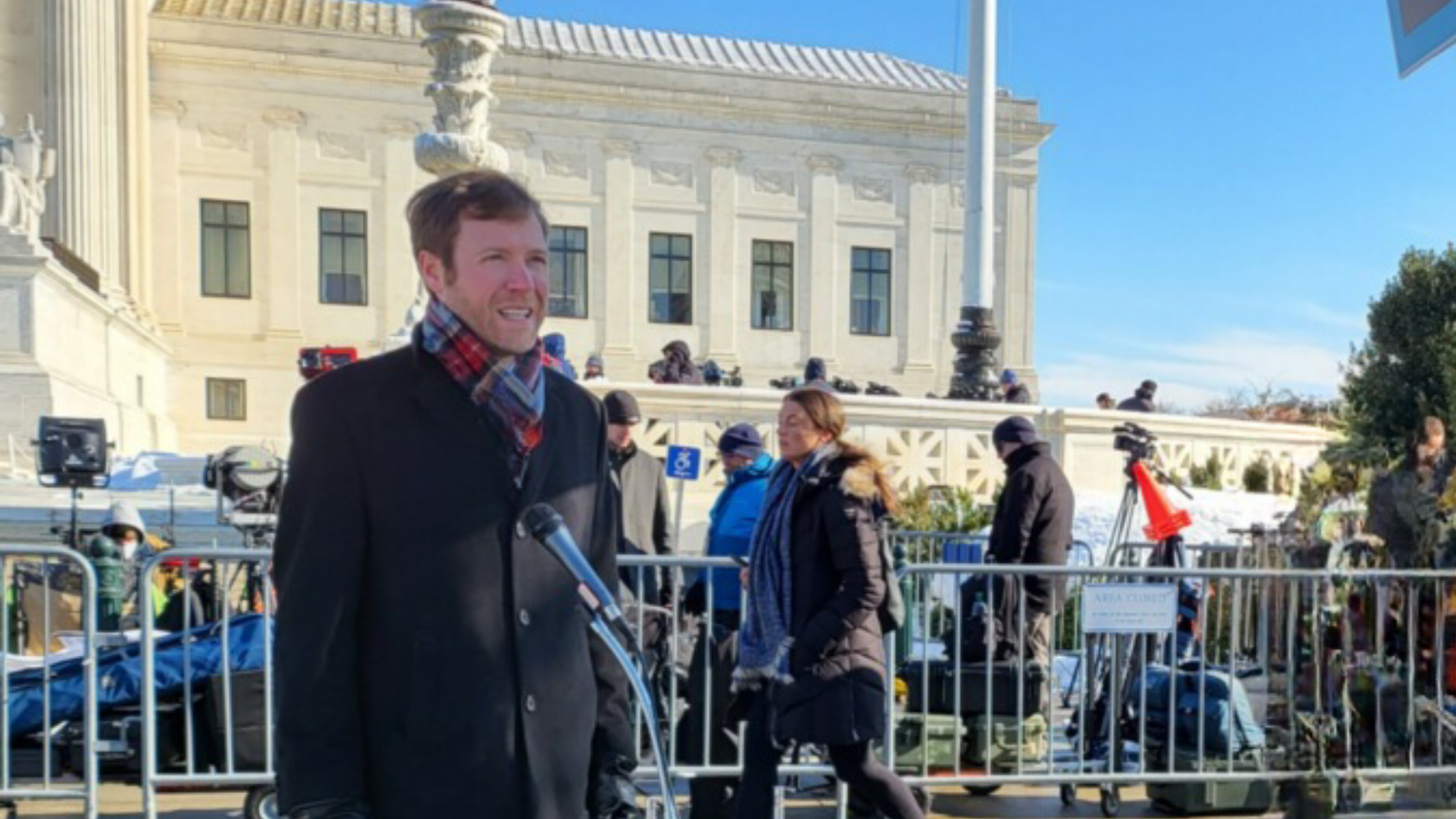
The Most Talked-About Religious Liberty Case of 2025
Catholic Charities: A Pivotal Battle for Religious Liberty
The Catholic Charities Bureau, Inc. v. Wisconsin Labor & Industry Review Commission case, argued before the U.S. Supreme Court on March 31, 2025, has emerged as a landmark battle in the realm of religious liberty. This high-profile dispute centers on whether Catholic Charities, a faith-based organization, qualifies for a religious exemption from Wisconsin’s unemployment compensation program. With far-reaching implications for religious ministries, nonprofits, and employers, the case has sparked widespread debate. Notably, Maranatha Baptist University, through the Center for American Rights, filed an amicus brief in support of Catholic Charities, amplifying the stakes. This post explores the case’s background, key arguments, positive implications, and proactive steps for religious organizations, offering clarity on this critical issue.
What Is the Catholic Charities Case About?
The Catholic Charities case challenges a Wisconsin Supreme Court ruling that denied Catholic Charities a religious exemption from the state’s unemployment compensation program. Operated by the Catholic Diocese of Superior, Catholic Charities provides social services—such as aid to the poor, elderly, and disabled—rooted in its religious mission. Wisconsin law exempts religious organizations from this program, but the state court held that Catholic Charities’ activities were not “primarily religious,” thus requiring contributions to the fund.
Catholic Charities appealed to the U.S. Supreme Court, arguing that its services are an extension of its faith, protected by the First Amendment’s Free Exercise Clause. The state, represented by the Wisconsin Labor & Industry Review Commission, contends that neutral, generally applicable laws apply to all entities, religious or not. Argued on March 31, 2025, with a decision expected by June 30, 2025, this case tests the boundaries of religious liberty in America.
Key Players and Arguments
Eric C. Rassbach of the Becket Fund for Religious Liberty argued for Catholic Charities, asserting that the organization’s mission to serve the needy flows directly from Catholic doctrine. Denying the exemption, he argued, infringes on church autonomy and discriminates against religious entities. The Wisconsin Attorney General’s office, representing the state, countered that granting the exemption could erode workers’ protections and blur church-state lines, violating the Establishment Clause.
Amicus briefs flooded the Court, reflecting the case’s significance. Maranatha Baptist University, a faith-based institution in Watertown, Wisconsin, filed an amicus brief written by Attorney Daniel Suhr on February 3, 2025. MBU’s brief, alongside others from groups like Catholic Charities USA, the National Association of Evangelicals, and the United States Conference of Catholic Bishops, argued that narrowly defining “religious” activities undermines the diverse ways faith-based groups live out their beliefs. Conversely, briefs from the Freedom From Religion Foundation and Americans United for Separation of Church and State supported Wisconsin, warning of risks to labor rights and church-state separation.
Why This Case Matters for Religious Liberty
The Catholic Charities case is widely regarded as one of 2025’s most critical religious liberty disputes. It’s part of a trio of Supreme Court cases this term, alongside Mahmoud v. Taylor and a fire chief’s religious expression case, shaping the future of faith in public life. Recent rulings like Carson v. Makin (2022) and Kennedy v. Bremerton (2022) have favored religious liberty, but this case tests how far those protections extend to organizations with social service missions.
For religious ministries, a win for Catholic Charities could broaden exemptions from state regulations, reinforcing autonomy. A loss, however, might limit exemptions, forcing faith-based groups to comply with secular rules that conflict with their beliefs. The debate has ignited X posts and media coverage, with supporters hailing the potential for stronger protections and critics cautioning against favoring religion over workers’ rights.
Positive Implications for Faith-Based Organizations
Despite the uncertainty, the case offers promising outcomes for religious groups:
- Expanded Exemptions: A ruling for Catholic Charities could affirm that social services rooted in faith qualify as religious, widening exemptions for ministries.
- Clarity on Religious Identity: The Court may clarify how “religious” is defined, helping organizations align operations with legal standards.
- Strengthened Precedents: A favorable decision would build on cases like Fulton v. City of Philadelphia (2021), empowering faith-based missions.
- Encouragement for Advocacy: The case highlights the power of amicus briefs, like Maranatha Baptist University’s via WILL, in shaping judicial outcomes.
The Role of Maranatha Baptist University
Maranatha Baptist University, a nonprofit Christian college, joined the fight through an amicus brief filed by the Center for American Rights. CAR’s brief, submitted February 3, 2025, argued that Wisconsin’s narrow view of “religious” activities threatens faith-based schools and nonprofits. It emphasized that ministries express faith through service, not just worship, and denying exemptions discriminates against diverse religious practices. This support, alongside briefs from other faith groups, underscores the case’s stakes for religious liberty nationwide.
What’s at Stake for the Future?
The Catholic Charities decision, expected by June 30, 2025, could reshape how religious organizations operate. A win might bolster protections for faith-based schools, charities, and employers, aligning with recent Supreme Court trends. A ruling for Wisconsin, however, could restrict exemptions, impacting ministries’ ability to function without compromising beliefs. This case also intersects with cultural debates about balancing religious freedom and secular governance, as seen in many online discussions.
5 Steps for Religious Organizations to Prepare
- Review Your Mission: Ensure your organization’s religious purpose is clear in governing documents to strengthen exemption claims.
- Consult Legal Experts: Work with attorneys to align operations with religious liberty laws and prepare for the ruling.
- Engage in Advocacy: Join coalitions or file amicus briefs to influence policy and judicial outcomes.
- Monitor the Case: Track the Supreme Court’s decision by June 30, 2025, to adapt to new legal standards.
- Educate Your Community: Inform supporters about the case’s impact on religious liberty to build support.
Conclusion: A Defining Moment for Religious Liberty
The Catholic Charities Bureau, Inc. v. Wisconsin case is a pivotal moment for religious liberty in 2025. With Maranatha Baptist University and the Center for American Rights amplifying the call for protections, the outcome could empower faith-based organizations or challenge their autonomy. By understanding the case and taking proactive steps, religious leaders can navigate this evolving landscape.

Attorney Matt Davis
Latest Posts
 by Attorney Matt Davis
Balanced, Common Sense IRS Approach to Churches’ Political Involvement
On July 8, 2025, the Internal Revenue Service (IRS) announced a significant shift in its interpretation of the Johnson Amendment, a 1954 tax code...
by Attorney Matt DavisUS Supreme Court Hands Religious Organizations 9-0 Victory in Catholic Charities Decision
On June 5, 2025, the U.S. Supreme Court unanimously overturned the Wisconsin Supreme Court’s misguided ruling in Catholic Charities Bureau, Inc. v....